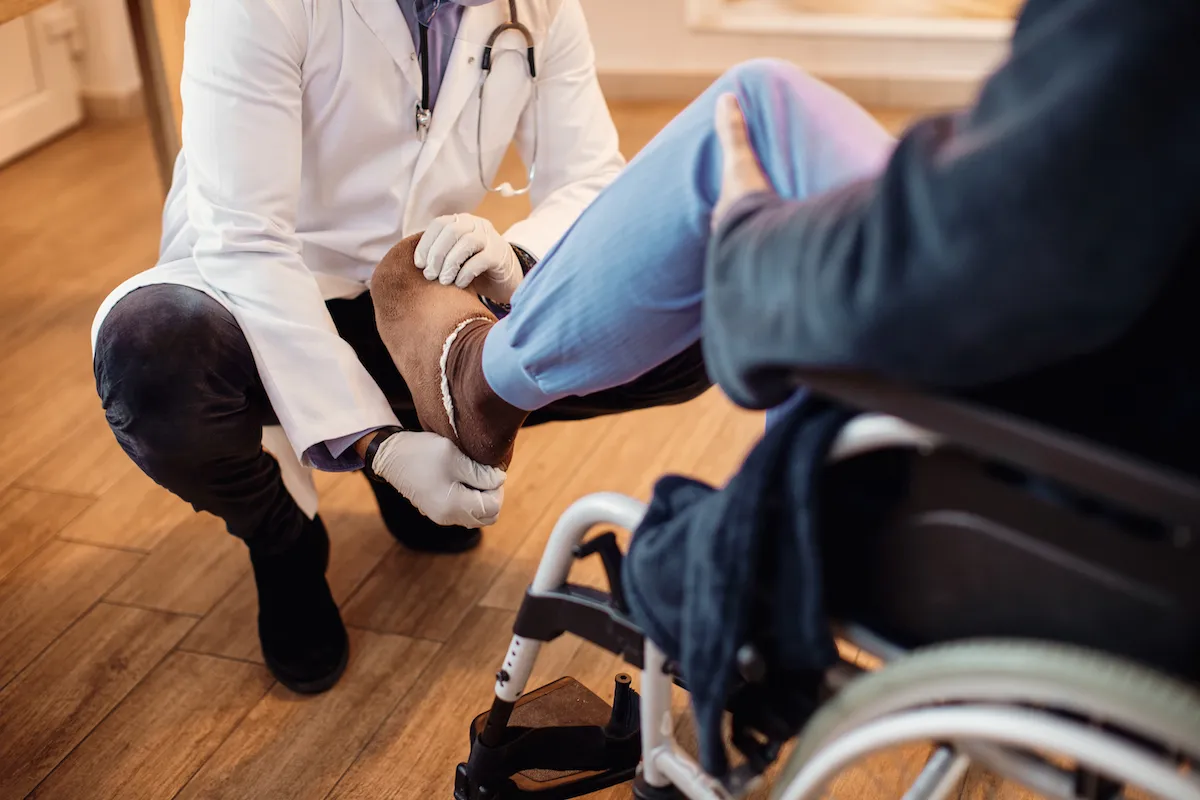
FCCI accepts Medicare, along with plans like AARP Medicare Complete, Railroad Medicare, Simply Medicare & Medicaid, Wellcare, Devoted Health and Tricare for Life. Whether your specific vein treatment is covered depends on your plan and on whether the treatment is medically needed, so the best step is to call 904.493.3333 and ask the team to check.
Medical vs. cosmetic
Insurers, including Medicare plans, usually look at why you are being treated. Aching legs, swelling, skin changes, ulcers and clots are medical problems. Spider veins treated only for looks are usually seen as cosmetic. Your exam and ultrasound results help show which applies to you.
Medicare plans on FCCI's list
- Medicare
- AARP and AARP Medicare Complete
- Railroad Medicare
- Simply Medicare & Medicaid
- Devoted Health
- CarePlus
- Wellcare
- Wellmed PPO & HMO
- Humana (except Humana Gold Plus HMO and Humana Medicaid)
- Tricare for Life
Plans and networks change. Always confirm before your visit.
Why vein care matters as we age
Swollen ankles and heavy legs are common later in life, but they are not something you just have to live with. Chronic venous insufficiency can lead to swelling, skin changes and slow-healing sores. FCCI notes that if left untreated it can cause serious leg infections and blood clots. A quick ultrasound can tell you what is going on.
Steps to check your coverage
- Call 904.493.3333 with your Medicare or plan card.
- Ask whether your plan needs a referral.
- After your exam, ask which treatment your doctor recommends.
- Ask the team to check benefits for that treatment before scheduling.
- Ask about your expected share of the cost.
For caregivers
If you help a parent or spouse with appointments, you are welcome to come along. Bring their medicine list, especially blood thinners, and their insurance cards. Write down questions ahead of time. FCCI also offers TeleVisits for some appointments, which can save a trip. Call to ask if one fits.
Outpatient care
FCCI does vein care in an outpatient setting, including its own cath lab, rather than a hospital. FCCI says this keeps costs low and services convenient, which can matter when you are watching a fixed income.
How to get the most from your visit
- Bring your Medicare or supplement card, photo ID and a full medicine list.
- Write down how long your leg symptoms have been bothering you.
- Mention any past clots, surgeries or family vein problems, since they help show medical need.
- Bring a family member if that makes the visit easier.
- Ask the team to confirm what Medicare covers before any treatment.
To reschedule, call at least 24 hours ahead. For privacy, please keep Medicare numbers and health details out of online forms.
Where to go
Medicare patients come from all over the region. FCCI's six-county area covers Duval, Clay, St. Johns, Putnam, Ware and Nassau. Jacksonville options are the Southside office with its outpatient cath lab at 7011 AC Skinner Parkway, the Northside office on Dunn Avenue and the Westside office on Timuquana Road. You can also go to Mandarin/Bartram in Fruit Cove, Orange Park (904.644.0092), Palatka (386.325.2836) or the South Georgia office in Waycross. Offices keep weekday hours of 8am to 5pm, and services vary by site.
TeleVisits and follow-ups
For some Medicare patients, getting to an office is the hardest part. FCCI offers TeleVisits for certain appointments using any phone, tablet or computer with high speed internet. There is nothing to download and no account to set up: you get a text with a link, tap it, allow video and audio, and you are in. Call 904.493.3333 to ask if a TeleVisit works for you. Ultrasounds and procedures are still done in person.
Have your Medicare card handy and call 904.493.3333, 8am to 5pm on weekdays, so the team can check what your plan covers, or start with our booking page. If swelling comes on suddenly with chest pain or shortness of breath, call 911.