Home Varicose veins
ConditionVaricose veins, fixed at the source
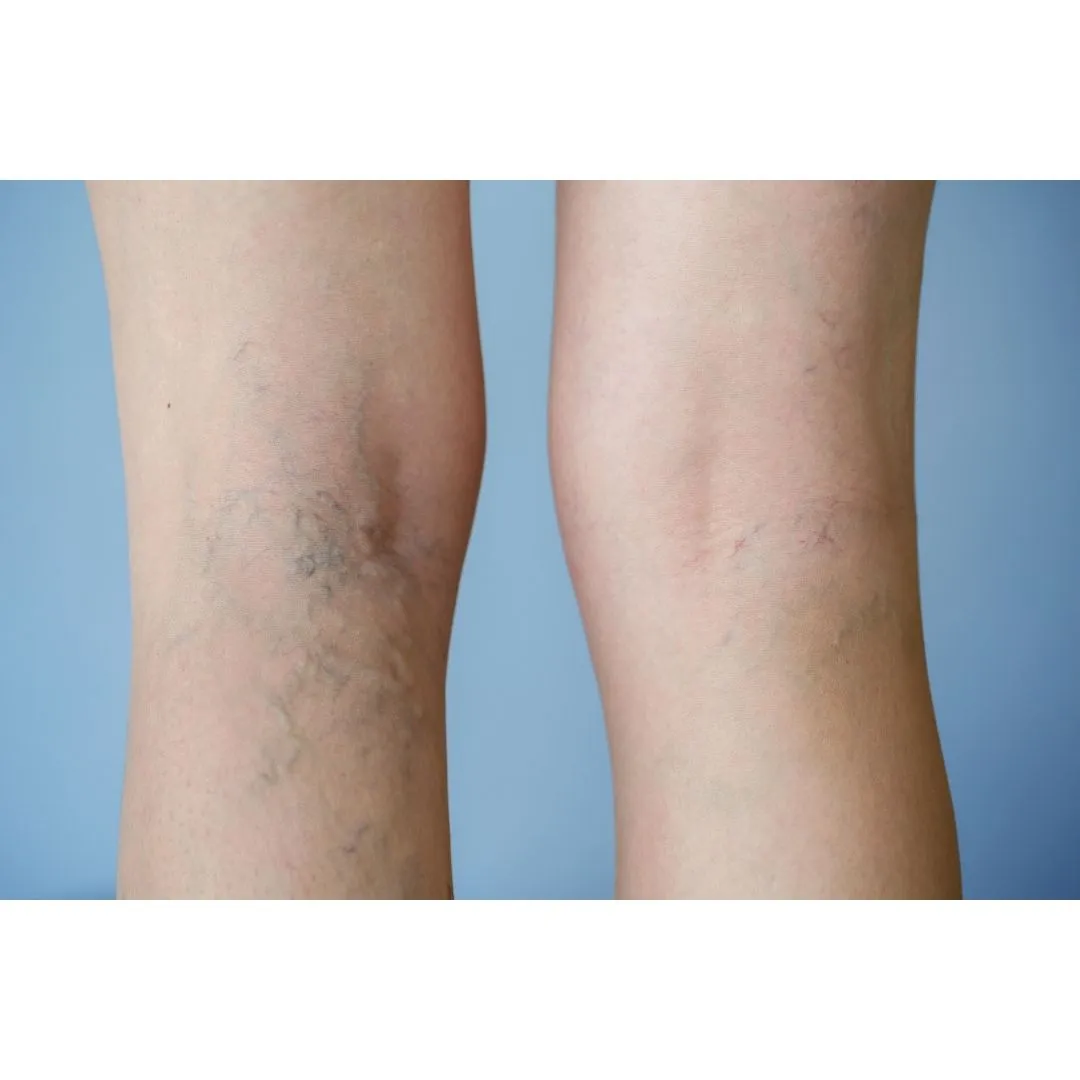
Varicose veins are twisted, bulging veins caused by weak valves. FCCI finds the faulty vein with ultrasound and treats it with laser or phlebectomy.
What causes varicose veins
Leg veins have tiny one-way valves that push blood back to the heart. When valves weaken, blood falls back and pools. Veins stretch, twist and bulge. FCCI notes that 50% of women and 40% of men have some kind of venous problem.
Varicose veins can be a sign of chronic venous insufficiency (CVI). CVI is not just another word for varicose veins. It can come from family history, hormones, injury or a past deep vein clot.
Signs to watch for
- Deep pain when standing that eases when you raise your legs
- Swelling with no clear reason
- Itching, aching or weak legs
- Red or brown skin changes
- Large varicose veins on the back of the thighs
- Ulcers (open sores) on the legs
Left alone, CVI can lead to swelling, serious leg infections and blood clots.

How FCCI treats them
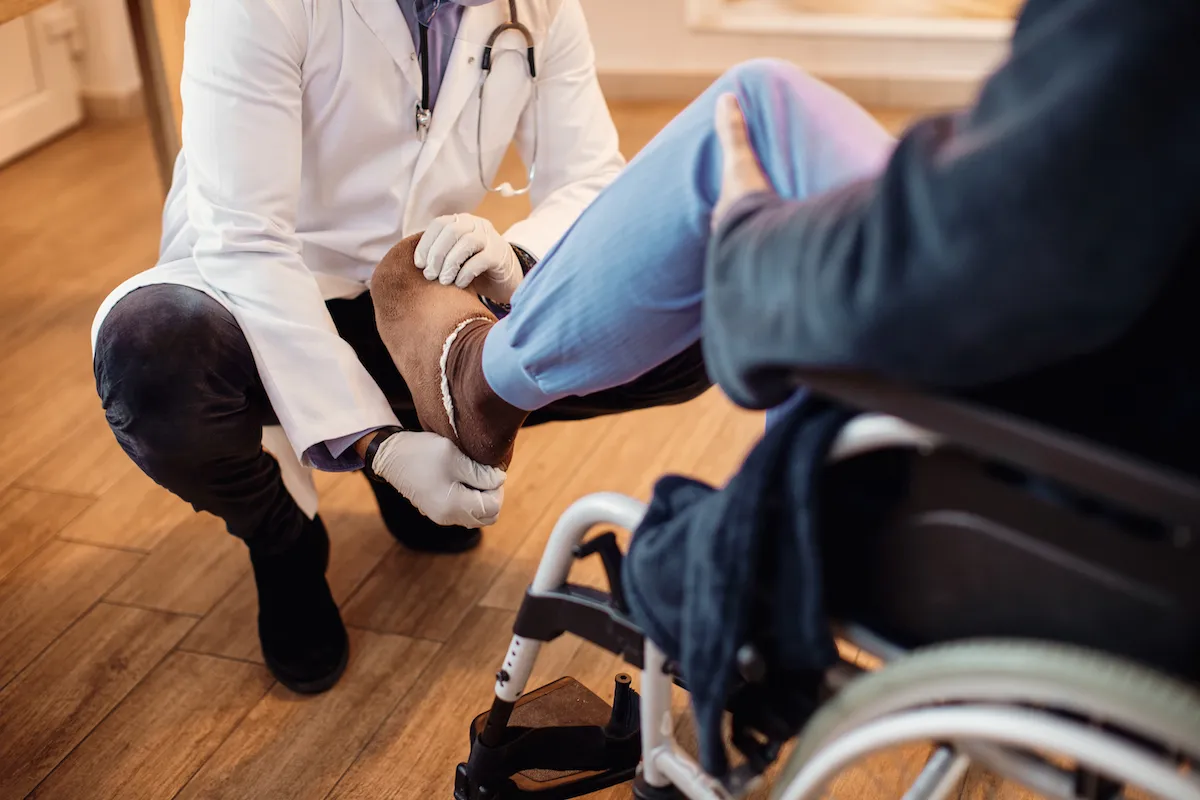
First, an ultrasound shows which veins are leaking. Then your doctor may suggest endovascular laser, a roughly one-hour procedure that uses heat to treat the cause, or phlebectomy, which removes stubborn veins through a tiny needle puncture with a quick recovery and no large scars.
Call 904.493.3333 for a free 20-minute vein screening* to see where you stand.
Are varicose veins dangerous?
They can signal chronic venous insufficiency, which can lead to swelling, infections and clots if untreated. Get checked.
Can varicose veins come back?
Ask your doctor about your own risk and follow-up plan.
Is varicose vein treatment covered?
Often when it is medically needed. Call 904.493.3333 to check your plan.