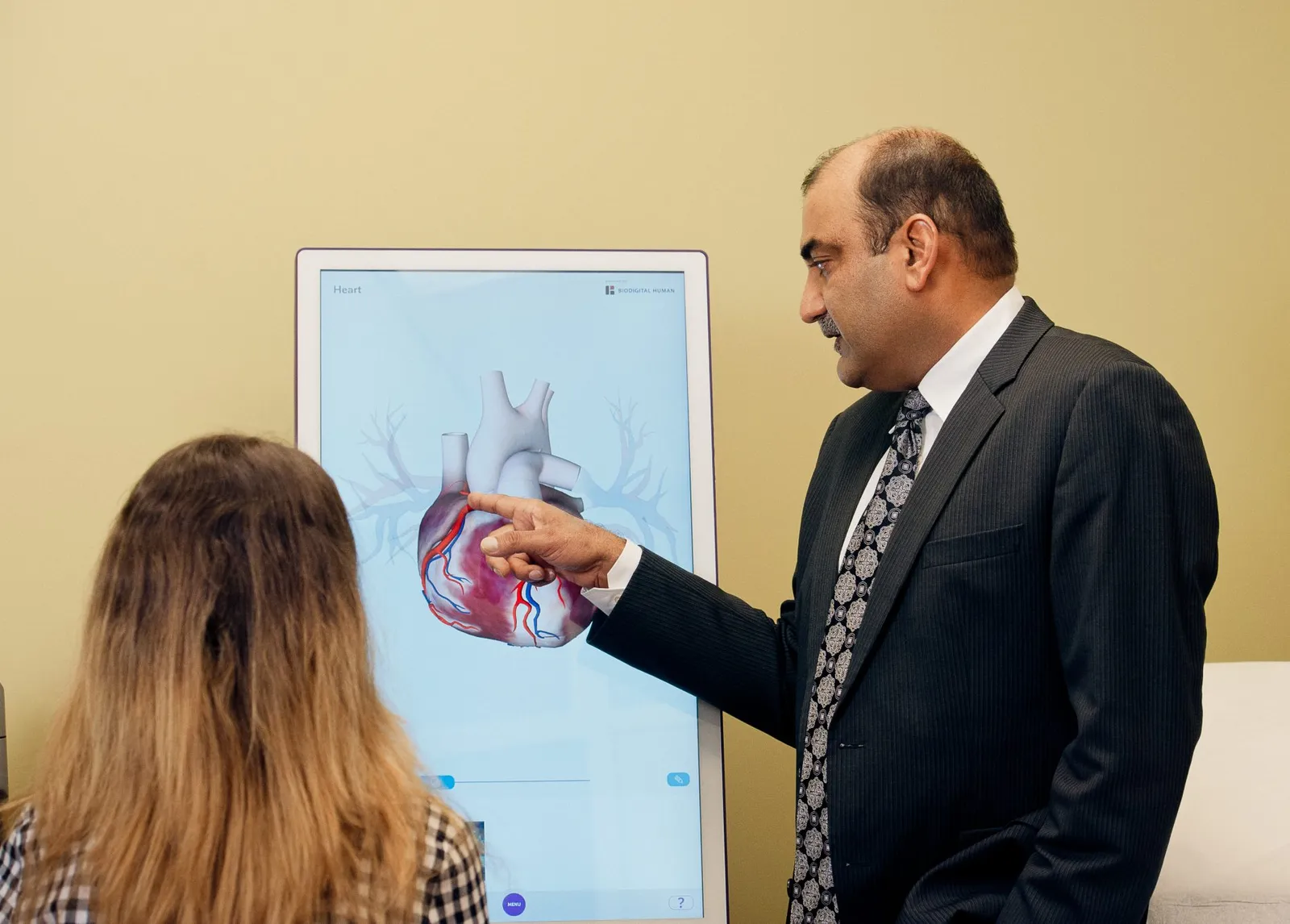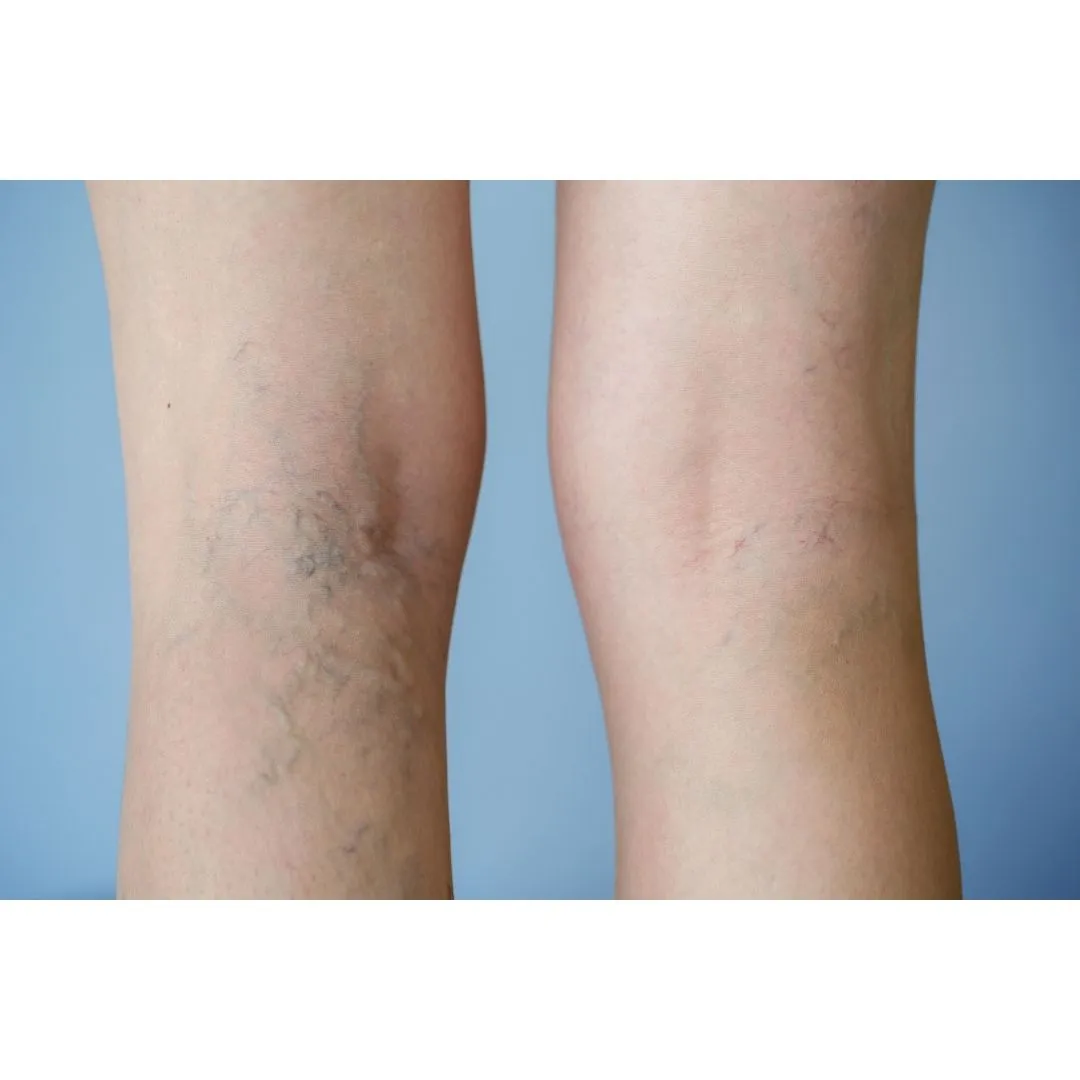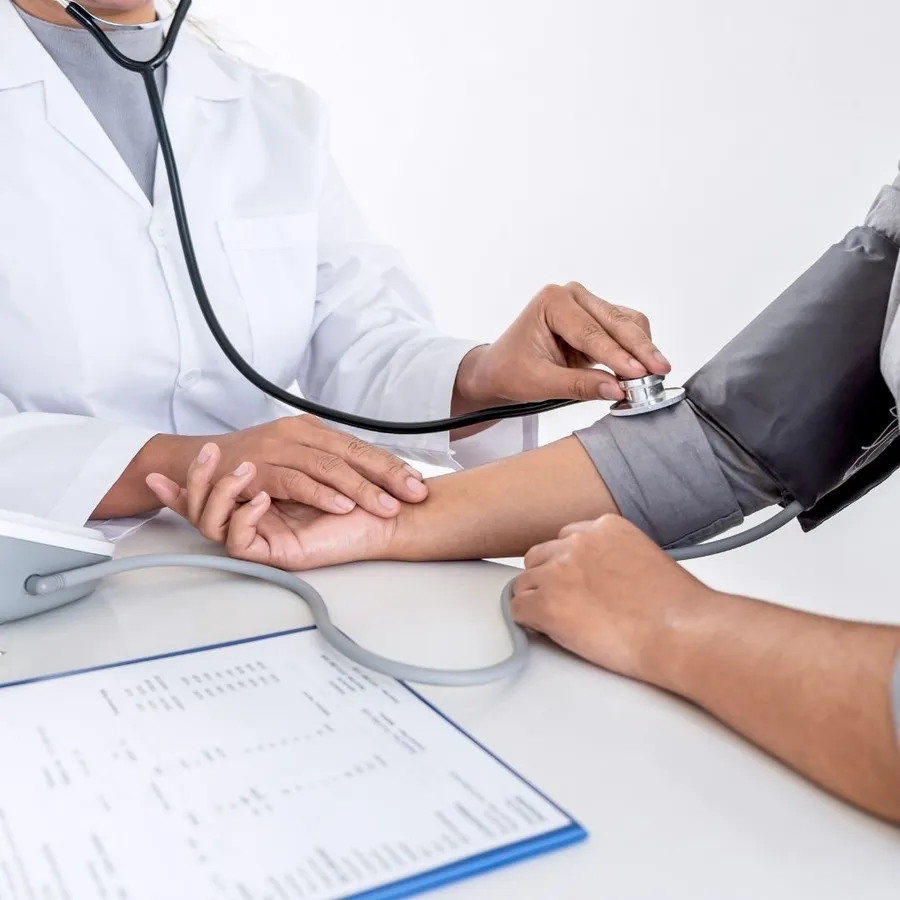
Leg swelling, tiredness and aching are not always caused by veins. When FCCI's tests show no vein disease, its board certified specialists in cardiology, sleep medicine, wound care and pulmonology are under the same roof to help find what is really going on.
Why this happens
FCCI notes that patients often come in with symptoms that look like venous disease, and testing shows their veins are fine. That means the symptoms point to something else. Swelling, for example, can be linked to the heart, the kidneys, medicines and more. Fatigue can be tied to sleep, lungs or circulation.
What FCCI does differently
FCCI says it is the only vein clinic in the area with a team of multi-specialists as extensive as its own under one roof. In practice, that means:
- Your vein results are read in the context of your overall health.
- If the cause is elsewhere, the next specialist is part of the same practice.
- You are not sent back to square one with a new office and new paperwork.
Specialists who may help
- Cardiovascular medicine for heart and blood vessel problems.
- Sleep medicine when poor sleep may be part of the picture.
- Wound care for sores that are slow to heal.
- Pulmonology for breathing and lung problems.
Artery problems can look similar
Leg pain can also come from arteries, not veins. Peripheral artery disease (PAD) can cause cramping, pain with walking and non-healing foot wounds. FCCI's vascular lab tests arteries too, so your doctor can check both sides of your circulation.
When swelling is urgent
- One leg suddenly swells and hurts: call your doctor today.
- Swelling with chest pain or trouble breathing: call 911.
What to bring
A list of medicines, when the swelling started, whether it is one leg or both, and anything that makes it better or worse. These details help your care team narrow things down faster.
This article is general information, not medical advice.
Simple habits that help your legs
Whatever is behind the swelling, a few easy habits are worth bringing up with your doctor:
- Keep moving, since walking helps fluid flow out of the legs.
- Elevate your feet when you sit down for a while.
- Avoid sitting or standing still for hours.
- Ask whether compression is safe for your type of swelling.
- Log when swelling peaks and which leg it affects.
These help you and your doctor learn more, but they do not replace finding the cause.
How to get the most from your visit
- Bring your insurance card, ID and a complete medicine list, since some medicines can cause swelling.
- Track when the swelling starts, which leg or both, and what helps.
- Mention heart, kidney or sleep issues along with any past clots or surgeries.
- Bring someone along to help remember what the doctor says.
- Ask the team to check benefits for any tests that are ordered.
Can't make it? Give at least a day's notice to cancel or reschedule, and please don't type health details into online forms.
TeleVisits and follow-ups
If swelling turns out to need ongoing check-ins, some of them can happen from home. FCCI's TeleVisits work on a phone, tablet or computer with high speed internet, with no app and no login. You get a text link, tap it, allow audio and video, and the visit begins. Ask at 904.493.3333 whether your follow-up qualifies. Any ultrasound or procedure still happens at the office.
Swelling that will not quit deserves an answer, whatever the cause turns out to be. Call 904.493.3333 on a weekday, 8am to 5pm, or use our booking page to get started. If swelling hits suddenly with chest pain or breathlessness, call 911.